
Why a First Aid Kit Is Essential for Every Outdoor Adventure
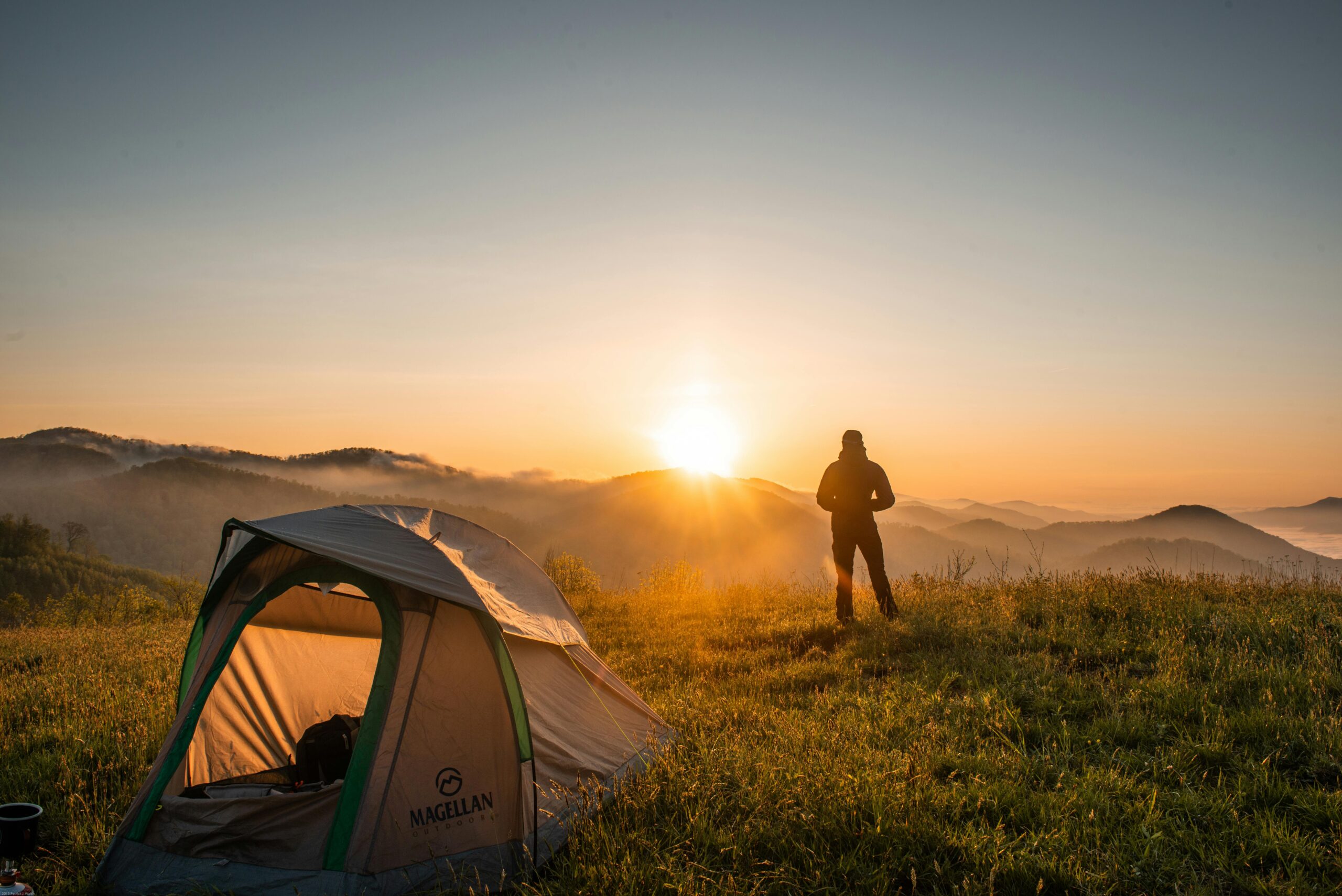
There is nothing quite like spending time outdoors. Whether you are hiking a scenic trail, camping under the stars, fishing at your favorite lake, kayaking a quiet river, or exploring a new destination, outdoor adventures give us a chance to disconnect from everyday routines and reconnect with nature. But while the outdoors can be exciting and rewarding, it can also bring unexpected challenges. A small cut, blister, sprain, insect bite, burn, or other injury can quickly turn a great adventure into a stressful situation.
That is why carrying a first aid kit for outdoor adventures should be just as important as packing water, food, navigation equipment, and weather-appropriate clothing.
A first aid kit is not about expecting something to go wrong. It is about being prepared when something unexpected happens. The American Red Cross recommends carrying a first aid kit when hiking, camping, traveling, and spending time in remote areas because access to professional medical help may be delayed.
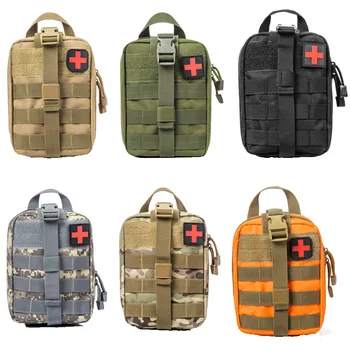
For outdoor enthusiasts, having a dependable and portable kit such as the Tactical First Aid Kit from Peak Adventure Gear can provide an additional layer of preparedness wherever your next adventure takes you.
Why You Should Always Carry a First Aid Kit Outdoors
Outdoor environments are unpredictable. Even experienced hikers and campers can encounter situations they did not anticipate. Uneven trails can lead to falls, sharp branches can cause cuts, insects can sting, and campfires can result in burns. Weather and terrain can also create additional risks.
The American Red Cross lists common outdoor and hiking concerns such as cuts, falls, blisters, sprains, strains, insect bites and stings, dehydration, sunburn, heat-related illness, and overexertion.
Having a first aid kit nearby means you do not have to improvise when a minor problem occurs.
Instead of searching through your backpack for something that might work, you can reach for supplies specifically intended to help address common injuries.
That preparation can be especially valuable when you are miles away from your vehicle, a store, or immediate medical assistance.
A Small Injury Can Become a Big Problem
One of the biggest reasons to carry a first aid kit is that seemingly minor injuries can interfere with your entire trip.
Imagine hiking several miles into the woods when someone develops a painful blister. Or perhaps you are fishing from a rocky shoreline and accidentally scrape your hand. A small cut may not seem serious, but cleaning and protecting it promptly can help keep dirt and contaminants away from the wound.
Similarly, a twisted ankle can make it difficult to continue hiking. Having appropriate first aid supplies can allow you to provide basic care while deciding whether the person can safely continue, needs to return to the trailhead, or requires professional medical attention.
A first aid kit is not a replacement for emergency medical care. Instead, it is a practical resource for providing basic first aid while determining what additional help may be necessary.
First Aid Is Especially Important in Remote Locations
The farther you travel from civilization, the more important preparation becomes.
A minor injury that happens five minutes from your car is very different from the same injury occurring several miles into a remote hiking trail.
When professional help is not immediately available, basic first aid knowledge and appropriate supplies become much more valuable. The Red Cross specifically notes that wilderness first aid focuses on situations where professional responders may be far away or delayed.
That is why outdoor adventurers should think about their destination before leaving home.
Ask yourself:
- How far will I be from medical assistance?
- How long will I be outdoors?
- What type of terrain will I encounter?
- What weather conditions are expected?
- How many people are coming with me?
- What injuries or medical situations are reasonably possible?
- Does anyone in the group have specific medical needs?
Your answers can help determine what you should carry.
What Should Be in an Outdoor First Aid Kit?
The exact contents of a first aid kit can vary depending on the activity, location, group size, and length of the trip. The Red Cross recommends tailoring a hiking or camping first aid kit to the environment and the needs of the people using it.
Common supplies may include:
- Adhesive bandages
- Sterile gauze
- Medical tape
- Antiseptic wipes
- Disposable gloves
- Elastic wraps
- Blister treatment
- Tweezers
- Scissors
- Burn-care supplies
- Instant cold packs
- Emergency blankets
- Personal medications
- Insect-bite or sting treatment
- Pain-relief medications appropriate for the user
- First aid instructions or reference materials
You do not necessarily need to carry every possible medical supply on every outing. Instead, customize your kit based on your adventure.
For a short family hike, a compact kit may be enough. For a multi-day backpacking trip in a remote area, you may want additional supplies and wilderness first aid equipment.
Why a Tactical First Aid Kit Makes Sense for Outdoor Adventures
Outdoor gear needs to be practical. When you are hiking, camping, fishing, hunting, traveling, or exploring, you do not want bulky equipment taking up unnecessary space.
A tactical first aid kit is designed with portability and accessibility in mind, making it a useful addition to an outdoor gear setup.
The goal is simple: keep important first aid supplies together in one convenient location so you can find them when you need them.
A dedicated first aid kit also prevents an important problem that many outdoor enthusiasts overlook—scattering medical supplies throughout different bags.
When everything is stored together, you know where to look.
That can save valuable time when someone needs assistance.
Don’t Forget About Heat, Sun, and Insects
Outdoor injuries are not limited to cuts and falls.
Depending on the season and location, outdoor enthusiasts may also encounter excessive sun exposure, insect bites, dehydration, and heat-related illness. The Red Cross recommends considering supplies such as insect protection, sun protection, personal medications, and hydration as part of broader outdoor preparedness.
Your first aid kit should be one part of a larger outdoor safety strategy.
Pack enough water. Check the weather. Wear appropriate clothing. Protect yourself from the sun. Know your route. Let someone know where you are going, particularly when traveling into remote areas.
Being prepared does not take away from the adventure—it helps you enjoy it with greater confidence.
Learn How to Use Your First Aid Supplies
Having a first aid kit is important, but knowing how to use the supplies inside it is equally important.
Before heading into the wilderness, consider learning basic first aid and CPR skills. The American Red Cross offers wilderness and remote first aid training designed for outdoor enthusiasts and people who spend time in remote environments.
Knowing what to do when someone is injured can help you respond more calmly and effectively.
You should also familiarize yourself with the contents of your kit before your trip. Do not wait until an emergency occurs to figure out what is inside.
Check the expiration dates of applicable products, replace supplies that have been used, and periodically review the kit to make sure it still meets your needs. The Red Cross recommends regularly checking first aid kits and replacing used or outdated contents.
Build a Complete Outdoor Safety Kit
A first aid kit is an important part of outdoor preparedness, but it should not be your only safety equipment.
Depending on the activity, consider carrying:
- Plenty of drinking water
- Extra food and snacks
- Navigation equipment
- Flashlight or headlamp
- Extra batteries or backup power
- Emergency blanket
- Whistle
- Weather-appropriate clothing
- Sun protection
- Insect protection
- Fire-starting equipment
- Communication equipment
- Multi-purpose tools
The Red Cross includes first aid supplies among the basic components of an emergency preparedness kit and also recommends items such as water, food, lighting, communication equipment, blankets, and maps.
The best outdoor gear setup is one that matches your destination and the conditions you may encounter.
Prepare Today for Tomorrow’s Adventure
Outdoor adventures are supposed to be fun. Nobody heads into the woods hoping to get injured or encounter an emergency.
But being prepared is part of being a responsible outdoor adventurer.
A first aid kit for hiking, camping, fishing, and outdoor activities takes up relatively little space compared with the peace of mind it can provide. Whether you are heading out for a quick afternoon hike or planning a multi-day camping trip, having basic first aid supplies within reach is a smart habit.
The Tactical First Aid Kit from Peak Adventure Gear is a practical addition to your outdoor equipment collection and can help you keep important first aid supplies organized and ready for your next adventure.
Don’t wait until an accident happens to start thinking about first aid. Pack smart, stay prepared, and make safety part of every adventure.
👉 Ready to add first aid preparedness to your outdoor gear? Check out the Tactical First Aid Kit at Peak Adventure Gear:
Tactical First Aid Kit – Peak Adventure Gear
Final Outdoor Safety Reminder
A first aid kit is a preparedness tool—not a substitute for professional medical care. Serious injuries, severe allergic reactions, significant bleeding, breathing problems, or other emergencies require appropriate emergency assistance. When heading outdoors, know your route, understand the risks, and make sure someone knows your plans.
Adventure is better when you’re prepared. Pack your gear. Pack your first aid kit. Then get outside and make some memories!



0 Comments