
Why Smart Gear Strategy Matters in the Outdoors
Outdoor adventure is no longer just about having “good equipment.” Today, success in activities like hiking, camping, and especially hunting depends on how strategically you choose, use, and maintain your outdoor gear.
Many adventurers assume that buying expensive outdoor products guarantees performance. In reality, poor gear strategy—not poor gear—is what leads to discomfort, wasted money, and even dangerous situations in the wild.
In this guide, you’ll learn practical, field-tested outdoor gear strategies that improve survival readiness, increase efficiency, and enhance overall performance. Whether you’re a beginner hunter or a seasoned outdoor explorer, these insights will help you make smarter decisions before your next trip.
1. Build a Layered Gear System Instead of Random Purchases
One of the biggest mistakes outdoor enthusiasts make is buying gear in isolation instead of building a system.
Why a Gear System Works Better
A layered system ensures every item has a purpose and works with other equipment. This is especially important in unpredictable environments like forests, mountains, or cold-weather hunting zones.
Core Layers of an Outdoor Gear System
- Base Layer: Moisture-wicking clothing for temperature control
- Mid Layer: Insulation for warmth (fleece or synthetic jackets)
- Outer Layer: Weather protection (waterproof and windproof gear)
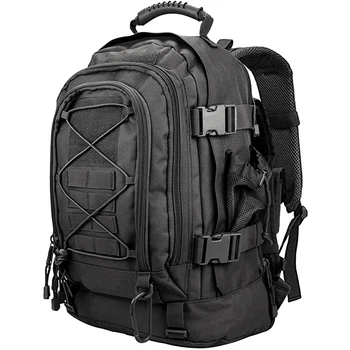
- Load-Bearing Layer: Backpack system for carrying essentials
Hunting Application Example
A hunter using a layered system can easily adapt to changing temperatures during early morning field setups and mid-day tracking without carrying excess clothing or gear.
2. Prioritize Multi-Functional Outdoor Products Over Single-Use Items
Modern outdoor performance relies heavily on versatility. Carrying fewer items that do more reduces weight and increases mobility.
High-Value Multi-Functional Gear Examples
- Multi-tools with knives, screwdrivers, and pliers
- Jackets that convert into insulation pillows
- Survival knives with fire starter integration
- Modular backpacks with detachable pouches
Why This Matters for Hunting
When tracking a game, mobility is critical. Every extra pound or unnecessary item slows reaction time and increases fatigue. Multi-functional tools reduce clutter while improving efficiency in the field.
Trend Insight
Search trends show rising interest in “lightweight survival gear” and “compact hunting equipment,” signaling a shift toward efficiency-driven purchasing behavior.
3. Match Your Outdoor Gear to Terrain and Environment
Not all outdoor products perform equally in every environment. One of the most overlooked strategies is terrain-specific selection.
Key Terrain Categories
- Forest environments: Quiet gear, camouflage clothing, scent control tools
- Mountain terrain: High-traction boots, trekking poles, weather-resistant layers
- Wet or coastal areas: Waterproof packs, corrosion-resistant tools
- Desert environments: Heat-resistant clothing, hydration-focused systems
Hunting Example
A hunter in dense woodland requires silent fabric materials and scent-masking sprays, while open-field hunters prioritize optics and long-range accuracy tools.
Common Mistake
Many beginners buy “all-purpose” gear that performs poorly in specialized conditions, leading to reduced comfort and effectiveness.
4. Optimize Weight Distribution for Endurance and Safety
Carrying outdoor gear is not just about what you bring—it’s about how you carry it.
Key Weight Optimization Principles
- Keep heavy items close to your back and centered
- Distribute weight evenly between both shoulders
- Use waist straps to reduce pressure on the spine
- Store frequently used items in external pockets
Why It Matters in Hunting
Long hunting expeditions often require walking several kilometers across uneven terrain. Poor weight distribution can lead to fatigue, reduced accuracy, and slower reaction times.
Performance Insight
Studies in outdoor biomechanics show that proper load distribution can reduce fatigue by up to 30% during long hikes or field operations.
5. Maintain Your Outdoor Gear Like Professional Equipment
Even the best outdoor products fail without proper maintenance. Consistent care is what separates occasional adventurers from experienced outdoorsmen.
Essential Maintenance Practices
- Clean gear after every outdoor trip
- Dry equipment fully before storage
- Sharpen hunting tools regularly
- Reapply waterproof coatings seasonally
- Inspect straps, zippers, and seams for wear
Hunting Gear Focus
Optics, knives, and camouflage gear require extra attention. A fogged scope or dull blade can drastically reduce field performance and safety.
Cost-Saving Insight
Proper maintenance can extend gear lifespan by 2–3 times, significantly reducing long-term replacement costs.
Strategy Is the Real Advantage in the Outdoors
Survival and performance in outdoor environments depend less on expensive gear and more on how strategically you choose and use your outdoor products.
To recap:
- Build a layered, system-based gear setup
- Choose multi-functional outdoor products
- Match gear to specific terrain conditions
- Optimize weight distribution for endurance
- Maintain equipment consistently for long-term reliability
Whether you’re preparing for a hunting expedition or a multi-day outdoor adventure, applying these strategies will improve safety, efficiency, and overall experience.
If you found this guide helpful, consider sharing it or subscribing to more expert outdoor gear insights, hunting strategies, and survival preparation tips.



0 Comments