
Turning Outdoor Chaos into Controlled Comfort
Out in the wild, everything gets simpler—but also more challenging. Weather shifts fast, fuel isn’t guaranteed, and comfort depends entirely on your ability to manage two core survival skills: fire starting and outdoor cooking.
Whether you’re a weekend camper, backpacker, or survival enthusiast, mastering these skills with the right outdoor products is what separates a frustrating trip from a confident, enjoyable adventure.
In 2026, camping gear has evolved significantly. Lightweight materials, hybrid ignition systems, and fuel-efficient cooking setups now allow even beginners to cook reliably in almost any environment.
In this guide, you’ll learn exactly how to build fire, cook outdoors efficiently, and choose the best gear for consistent performance in real-world conditions.
Understanding the Foundation: Why Fire Mastery Still Matters
Despite modern gear advances, fire remains irreplaceable outdoors. It provides:
- Heat for survival in cold environments
- A way to cook food safely
- Water purification through boiling
- Psychological comfort in isolation
Outdoor search trends show rising interest in “reliable fire starting systems” and “portable camping cooking gear,” especially among first-time campers who struggle with inconsistent ignition methods.
The truth is simple: good gear improves success, but skill ensures survival.
Step 1: Build a Reliable Fire Starting System (Not Just a Tool)
One of the biggest mistakes campers make is relying on a single ignition source. In 2026, experienced outdoor users treat fire starting as a system, not a product.
Core Fire Starting Gear Setup
A complete system should include:
- Ferro rod striker (primary ignition)
- Windproof butane lighter (secondary ignition)
- Waterproof matches (emergency backup)
- Tinder kit (waxed or compressed materials)
This layered approach ensures you can start a fire in wet, windy, or high-altitude conditions.
How to Start a Fire Step-by-Step (Modern Method)
1. Prepare a Dry Base
Clear damp soil and create a dry foundation using bark, dry grass, or fire-resistant matting.
2. Build a Tinder Core
Use fine, easily ignitable materials such as cotton tinder or waxed wood shavings.
3. Add Kindling in a Teepee Structure
Stack small sticks around the tinder in a cone shape to allow airflow.
4. Ignite Using Ferro Rod or Lighter
Strike sparks downward into the tinder core or apply flame at the base.
5. Gradually Feed Larger Fuel
Once stable, slowly add thicker wood to build sustained heat.
This structured approach dramatically improves ignition success rates, especially in damp environments.
Step 2: Choose the Right Outdoor Cooking System
Once fire is established, cooking becomes the next priority. In modern outdoor gear trends, campers are moving toward portable, fuel-efficient cooking systems instead of traditional open-fire cooking alone.
Option A: Portable Camping Stoves (Most Reliable)
Camping stoves are now the preferred choice for most hikers due to consistency and speed.
Why they dominate 2026 outdoor cooking:
- Boil water for 2–4 minutes
- Controlled flame reduces fuel waste
- Works in wind with minimal heat loss
Multi-fuel stoves are especially popular among long-distance trekkers because they can adapt to different fuel types.
👉 Internal Resource: /blog/portable-camping-cooking-systems-guide
Option B: Open Fire Cooking (Traditional but Skill-Based)
Open fire cooking remains essential for longer stays and survival scenarios.
Best practices:
- Use stable fire beds with a consistent coal base
- Avoid direct flame cooking for delicate food
- Rotate food for even heat exposure
While more unpredictable, open fire cooking delivers better flavor and atmosphere when properly managed.
Option C: Hybrid Cooking Systems (2026 Trend)
Hybrid setups combine stoves and fire cooking tools, offering flexibility.
Examples include:
- Foldable stove-fire combos
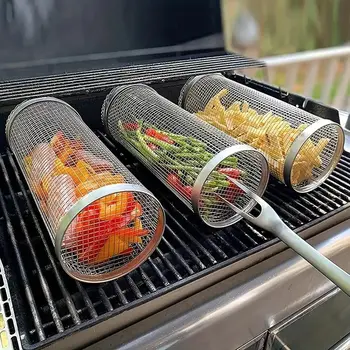
- Grill attachments for open flame cooking
- Modular cookware systems
This category is growing rapidly as campers demand versatility without added weight.
Step 3: Use Smart Cookware for Maximum Efficiency
Cooking outdoors isn’t just about heat—it’s about heat management.
Best Modern Cookware Features:
- Titanium or anodized aluminum construction
- Stackable nesting design
- Heat-dispersing bases for faster cooking
- Non-stick coatings for easy cleaning
Lightweight cookware systems reduce pack weight while improving heat efficiency, which is critical for multi-day hikes.
Step 4: Master Fire and Cooking Efficiency Techniques
Even with great gear, technique determines performance.
Tip 1: Use Wind Protection
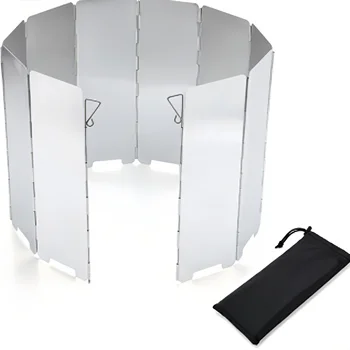
Wind can reduce fire efficiency by up to 30–50%. Use natural barriers, rocks, or windshields to stabilize heat.
Tip 2: Control Oxygen Flow
Fire requires airflow. Avoid overpacking wood, which suffocates flames and produces smoke instead of heat.
Tip 3: Pre-Pack Meal Portions
Organize meals into pre-measured kits to reduce cooking time and fuel consumption.
Tip 4: Learn Heat Zoning
Use different fire zones:
- High heat zone for boiling
- Medium heat zone for cooking
- Low heat zone for warming
This prevents burning and improves cooking precision.
Tip 5: Always Carry Backup Fuel
Even experienced campers underestimate fuel consumption. Carrying backup fuel tabs or small propane canisters prevents emergency situations.
Step 5: Avoid Common Mistakes That Ruin Outdoor Cooking
Many outdoor failures come from avoidable errors:
- Using damp wood without drying it first
- Starting fires without airflow planning
- Overloading cookware over unstable flames
- Relying on one ignition source
- Ignoring weather conditions like humidity and wind
Correcting these mistakes dramatically improves both safety and success rates.
Skill + Gear = Outdoor Confidence
Mastering fire starting and outdoor cooking is about combining the right outdoor products with practical skills. In 2026, gear has become more advanced than ever—but it still requires knowledge to use effectively.
When you understand how to build a fire system, choose the right cooking setup, and apply efficiency techniques, every outdoor trip becomes safer, easier, and far more enjoyable.
Start simple, practice often, and invest in reliable gear that matches your environment and travel style.
If you found this guide useful, share it with fellow campers or subscribe for more expert breakdowns on outdoor gear, survival strategies, and camping innovation trends.



0 Comments